
Vegan Cream Substitute Recipe (Light, Basic & Heavy Cream — 3 Ways)
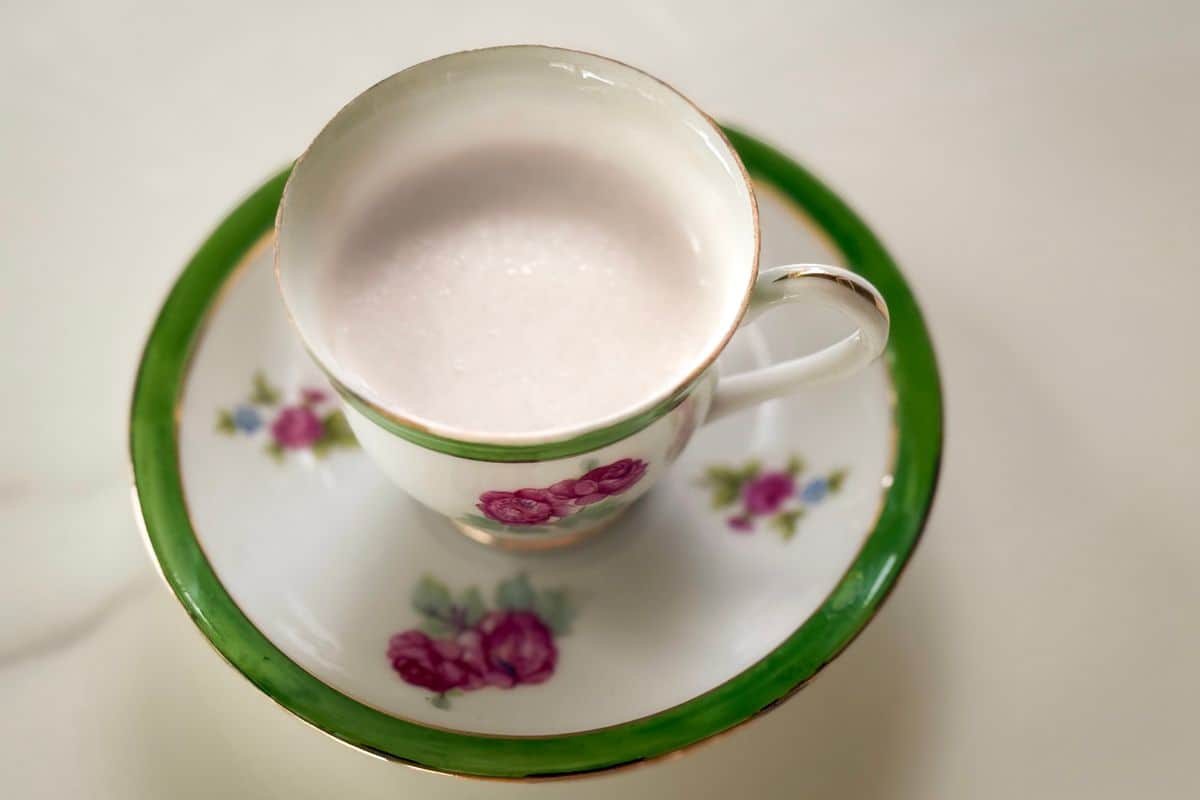
Whether you're fully plant-based, lactose intolerant, or simply looking for a dairy-free alternative that doesn't compromise on richness or performance in the kitchen, this vegan cream substitute recipe is about to become one of the most essential tools in your cooking arsenal. This isn't a one-size-fits-all solution — this is a complete system of three distinct cream substitutes, each carefully formulated to replicate a specific type of dairy cream so you always have exactly the right option for exactly the right recipe.
Three Creams. One Recipe. Endless Possibilities.
This recipe gives you three different plant-based cream substitutes — light cream, basic cream, and heavy cream — each built on the same simple foundation of plant milk and refined coconut oil, adjusted in ratio to achieve the correct fat content and consistency for each variety. The logic is beautifully simple: the lighter the cream, the higher the ratio of plant milk to oil. The richer and heavier the cream, the more the balance shifts toward oil. It's an elegant, flexible system that gives you the full spectrum of dairy cream options from a single recipe framework.
Each of these cream substitutes works as a direct one-to-one replacement for its dairy counterpart — meaning you can swap them into any recipe that calls for light cream, heavy cream, or anything in between without having to adjust quantities or worry about how it will perform. And for vegan whipped cream specifically, we've created a dedicated separate recipe to walk you through those additional steps, since the whipping process requires its own technique.
The Ingredient That Makes It All Work — Lecithin
If there's one thing we want you to take away from this recipe before you even look at the ingredient list, it's the importance of lecithin. Lecithin — whether soy or sunflower derived — is a natural emulsifier found in most store-bought plant milks, and it plays a critical role in this recipe. It's what helps the plant milk and coconut oil bind together smoothly into a cohesive, silky cream rather than separating into an oily, uneven mess. It also prevents the mixture from curdling when exposed to high heat — which is essential when you're using these creams in cooked sauces, soups, and other hot applications.
The good news is that if you're using a mainstream store-bought plant milk, there's a good chance it already contains lecithin in the ingredient list — so always check the label before you start. If your plant milk doesn't contain lecithin, we strongly recommend adding a small amount of soy or sunflower lecithin yourself before blending. You can technically attempt this recipe without it, but we genuinely cannot guarantee the same smooth, stable texture that lecithin-containing milks produce — and when you're making something meant to replicate the silky consistency of dairy cream, texture matters enormously.
While you're checking the label, also look for a plant milk that contains a small amount of sugar and salt, as these contribute to the overall flavor profile of the finished cream. If your milk is completely unsweetened and unsalted, we recommend adding just a small pinch of each to the recipe for the best possible flavor result.
How Does It Compare to Other Vegan Cream Substitutes?
There are plenty of plant-based cream alternatives out there — cashew cream being one of the most popular — and they all have their place in the kitchen. But this coconut oil based cream substitute does something that cashew cream simply cannot do consistently: it stays silky, smooth, and stable even at high temperatures. Cashew cream, while delicious in the right applications, has a tendency to turn grainy or separate when exposed to prolonged heat, which can be frustrating when you're trying to build a silky pasta sauce or a smooth, velvety soup base. This recipe doesn't have that problem. It performs beautifully in high-heat cooking, making it the superior choice for cooked sauces, gratins, soups, and any recipe where consistent texture under heat is important.
That said, we want to be completely transparent with you — this recipe is not a health food. Unlike cream substitutes made from nuts or beans, this one is built on coconut oil, which is high in saturated fat. It does contain slightly less fat overall than traditional dairy cream, and it has one significant advantage over dairy in that it contains zero cholesterol — which is a meaningful win. But it's still a rich, indulgent ingredient that is best used in moderation, the same way you'd approach dairy cream in your cooking. Think of it as an occasional treat and a fantastic tool for special occasion cooking rather than an everyday staple.
How to Use It
The applications for these cream substitutes are genuinely endless — anywhere a recipe calls for cream, one of these three versions can step in seamlessly. Stir the light cream into your morning coffee for a rich, smooth dairy-free creamer. Use the basic cream in pasta sauces, creamy soups, and casseroles. Reach for the heavy cream in recipes that call for richness and body — think gratins, cream-based desserts, rich curries, and indulgent sauces. The possibilities truly span the entire range of cooking and baking, and having all three versions at your disposal means you're fully equipped to tackle virtually any recipe that crosses your path.
Storage Tips
These cream substitutes store well in the refrigerator for up to one week in a sealed airtight container. As for freezing, while we haven't personally tested it extensively, we're confident it would keep well in the freezer for approximately 2 months. If you go the freezer route, thaw it in the refrigerator for at least 24 hours before you plan to use it. One thing to note — if the cream looks lumpy after refrigeration due to the coconut oil solidifying, simply give it a quick blast in the microwave to melt everything back together, then return it to the fridge to settle back into its smooth, creamy consistency before use.
Rich, versatile, heat-stable, and completely dairy-free — these vegan cream substitutes are about to change the way you cook.
Vegan Cream Substitute Recipe (Light, Basic & Heavy Cream — 3 Ways)
This vegan cream substitute recipe gives you three dairy-free options — light cream, basic cream, and heavy cream — all made with plant milk and refined coconut oil. Unlike cashew cream, it stays silky and smooth even at high temperatures without separating or turning grainy. Use it as a one-to-one replacement in pasta sauces, soups, coffee, gratins, desserts, and any recipe that calls for cream. Stores in the refrigerator for up to one week.
- Prep
- 5 min
- Cook
- 0 min
- Cool
- 30 min
- Total
- 35 min
- Servings
- 32 (1 tablespoon each)
- Difficulty
- Easy
Ingredients
Light Cream
Basic Cream
Heavy Cream
Optional Add-Ins
Instructions
If your plant milk is refrigerated, take it out and bring it to room temperature. Do not use COLD plant milk in this recipe!!
Add your optional add in ingredients to a blender including 1 tsp Sugar, 1/8 tsp Salt and 1 tsp Sunflower/Soy Lecithin. If your soy milk doesn't contain these ingredients we recommend adding them for the best texture/flavor. See notes.
Next melt your Refined Coconut Oil in the microwave in bursts depending on the type of cream you want to make.
Add your Refined Coconut Oil and room temperature Soy Milk to the blender and blend until emulsified.
Next pour your cream into a storage container and chill in the fridge for at least 30 minutes before using. The heavier the cream, the longer you'll want to chill it for. Shake your cream before use and enjoy in sauces, soups, and much more!
Nutrition (per serving)
- Calories
- 21 kcal
- Protein
- 0.4 g
- Carbs
- 0.4 g
- Fat
- 1.9 g
- Fiber
- 0.1 g
- Sugar
- 0.3 g
- Sodium
- 6.5 mg
- Vit. B12
- 0.2 mcg
Notes & Tips
- We find that plant milks with soy or sunflower lecithin make the best cream substitutes so try to find one with lecithin already in it. You can use a plant milk without lecithin, just know that the texture might be impacted and your cream could end up lumpy when refrigerated.
- If you don't mind a coconut taste in your cream, you can use unrefined coconut oil, otherwise stick to refined coconut oil. We also use refined coconut oil in a bunch of our other recipes so it doesn't hurt to stock up on it.
- Make sure your oil and plant milk are roughly the same temperature (room temperature). If your plant milk is cold, it can cause the emulsion to seize up and no one wants that.
You may also like
Dairy Substitutes
The Best Vegan Parmesan Cheese Recipe — Firm, Shreddable, No Cashews, No Agar Agar
30 min
Dairy Substitutes
Easy Homemade Vegan Mozzarella (No Agar Agar — Melts, Stretches & Shreds)
12 hr 30 min
Dairy Substitutes
Best Vegan Cheddar Cheese Recipe (Shreddable, Meltable & 50% Cheaper Than Store-Bought)
12 hr 30 min
Reviews
No reviews yet. Be the first to share your experience!